
Lämpöä ja laatua Suomesta
Maa, ilma, aurinko, puu, biomassa, kauko, sähkö – millä ikinä päätätkään lämmittää, voit nukkua yösi rauhassa. Insinöörimme tuntevat suomalaiset olosuhteet ja lämpötekniikan innovaatiot.
Kehitystyössä painotamme tuotteiden käyttövarmuutta ja energiatehokkuutta. Raision ja Turun tehtailla valmistetuille tuotteillemme on myönnetty Avainlippu-tunnus.
Tuotteet Kehitystyössä painotamme tuotteiden käyttövarmuutta ja energiatehokkuutta. Raision ja Turun tehtailla valmistetuille tuotteillemme on myönnetty Avainlippu-tunnus.
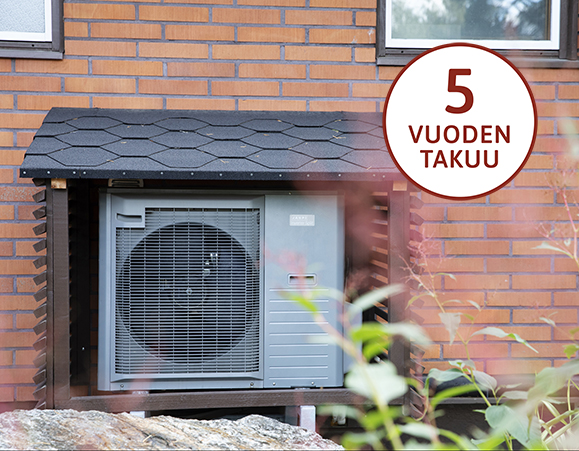
Jäspi ja Jämä lämpöpumpuilla viiden vuoden takuu
Rekisteröimällä uusi Jäspi- tai Jämä-lämpöpumppu, voimassa on viiden vuoden tehdastakuu. Takuu on voimassa 1.6.2023 alkaen ja koskee vuoden 2023 aikana ostettuja ja asennettuja laitteita myös takautuvasti. Rekisteröinnin ja lisätiedot löydät valikosta Kaukora Oy - Tuoterekisteröinti.
Rekisteröi lämpöpumppu 
Fearless Finns X Jäspi yhteistyö
Jäspi on Ski Sport Finlandin alppimaajoukkueen pääyhteistyökumppani alkavalle kaudelle 2023/2024.
Yhteistyö näkyy maailmancup-laskijoiden kisa-asuissa sekä koko alppimaajoukkueen laskettelu- ja lehdistöasuissa.
Lue lisää Yhteistyö näkyy maailmancup-laskijoiden kisa-asuissa sekä koko alppimaajoukkueen laskettelu- ja lehdistöasuissa.

Maalämpöpumppu huippuhyöty- suhteella Jämä Star RST Inverter
Jämä Star RST Inverter on modernin omakotitalon maalämpöpumppu, joka säätyy automaattisesti vastaamaan ulkolämpötilan ja käyttöveden tarvetta. Lopputuloksena saavutetaan markkinoiden korkein vuosihyötysuhde SCOP 5,4.
Tehokkain maalämpöpumppu 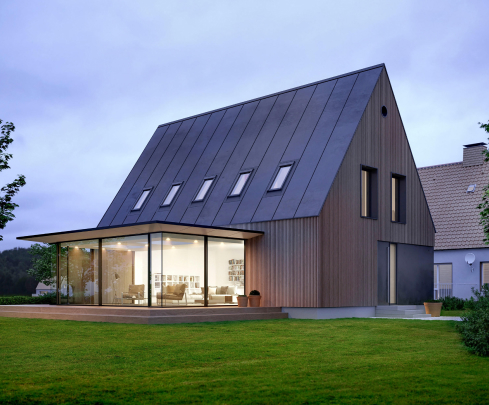
Mikä on omakotitalon paras lämmitysjärjestelmä?
Tähän kysymykseen ei ole yhtä ainoaa oikeata vastausta, vaan jokaiseen kohteeseen on löydettävissä yksilöllisesti paras ratkaisu. Me pyrimme kuuntelemaan omakotitaloasujan lämmitystoiveita ja olemaan luotettava kumppani laitetoimituksissa. Lämmitys-valikosta löydät tietoa lämmitysjärjestelmistä, ja Tuotevalikoima-valikosta löydät tuotteet jokaisesta kategoriasta. Asiantuntevat jälleenmyyjämme ympäri Suomen toteuttavat Jäspi-lämmitysjärjestelmäsi myynnin, asennuksen ja huollon.
Lämmitys Tuotteemme – lämpötekniikkaa pientaloista suuriin kiinteistöihin
Kaukora Oy on ainutlaatuinen yritys – tunnemme lämpötekniikan ja eri lämmitysmuodot läpikotaisin. Olemme valmistaneet Jäspi-, Jämä- ja Akvaterm-tuotemerkeillä lähes 2 miljoonaa lämmityslaitetta. Esimerkiksi maamme suosituin käyttövedenlämmitin, Jäspi VLM 300,
löytyy joka toisesta suomalaisesta omakotitalosta.
löytyy joka toisesta suomalaisesta omakotitalosta.

Ilma-vesilämpöpumput
Ilma-vesilämpöpumput sopivat niin uuteen kuin saneerattavaankin taloon.

Maalämpöpumput
Maalämpöpumppu on ekologinen ja tehokas lämmitysmuoto.

Käyttövedenlämmittimet
Tiesitkö, että Jäspi-vedenlämmittimen voi kytkeä helposti suoraan pistorasiaan?

Sähkölämmitys
Vesikiertoinen sähkölämmitys on myös täydennettävissä uusiutuvalla energialla.

Suuret kiinteistöt
Toimiva energiaremontti lähtee aina taloyhtiön tai teollisuuskiinteistön tarpeesta.
Suuret kiinteistöt Asiakkaiden kokemuksia
Lisää kokemuksia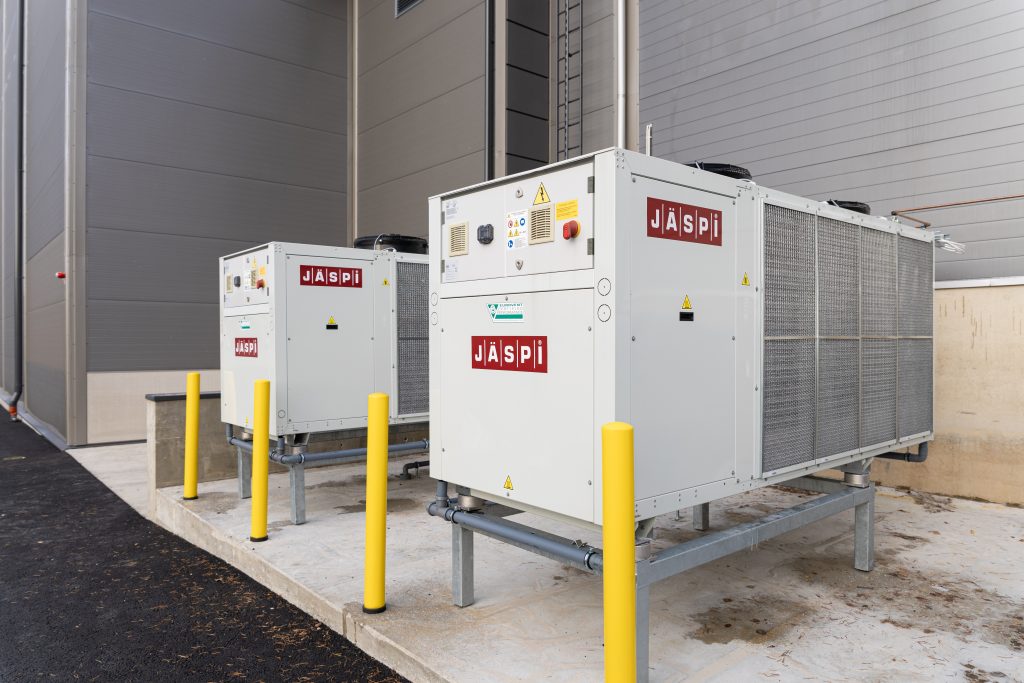
Hyvin suunniteltu ja oikein mitoitettu lämmitys tuo selviä säästöjä
Suuritehoinen ilma-vesilämpöpumppu on kilpailukykyinen ja energiatehokas vaihtoehto teollisuuskiinteistöjen, varastojen ja terminaalirakennusten lämmitykseen. –...

Maalämmöllä kustannukset kuriin ja ennakoitavuutta laskuihin
Katso lisää: Maalämpöpumput (jaspi.fi) Naantalilaiseen omakotitaloon valittiin maalämpöpumppu lämmityskustannusten ennakoitavuuden ja lämpimän käyttöveden...
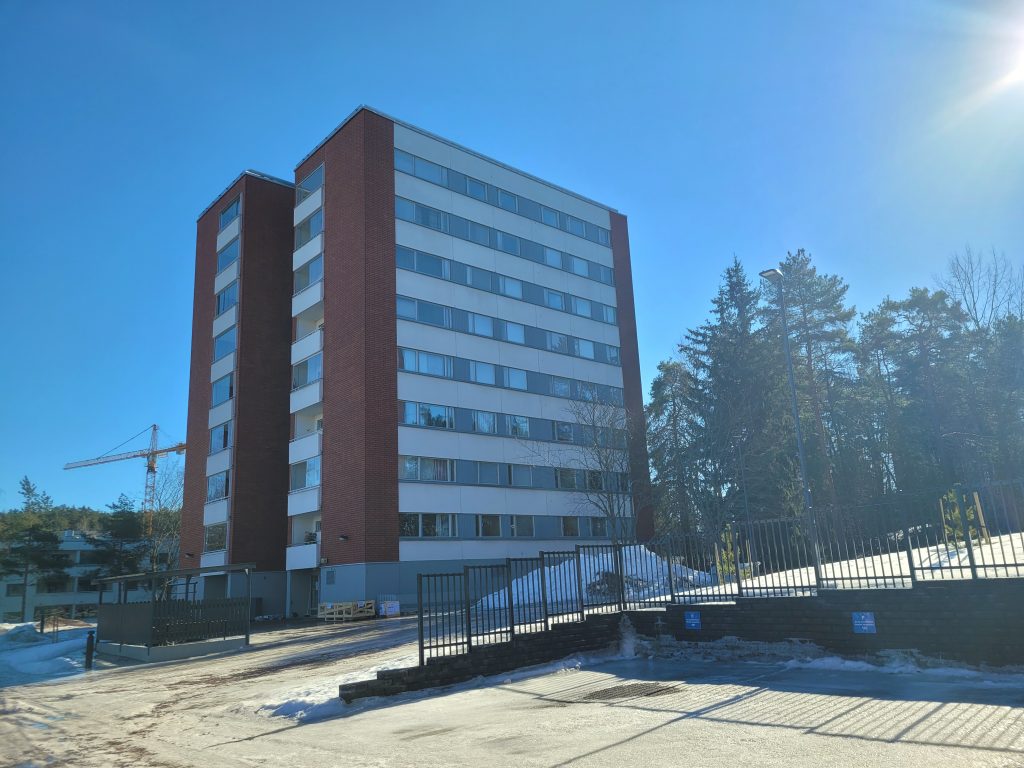
Toimiva energiaremontti lähtee aina taloyhtiön tarpeesta
Turkulaisten taloyhtiöiden tehokas energiaremontti tuo säästöä asukkaille Neljä turkulaista asunto-osakeyhtiötä selvitti linjasaneerauksensa yhteydessä vaihtoehtoja...